
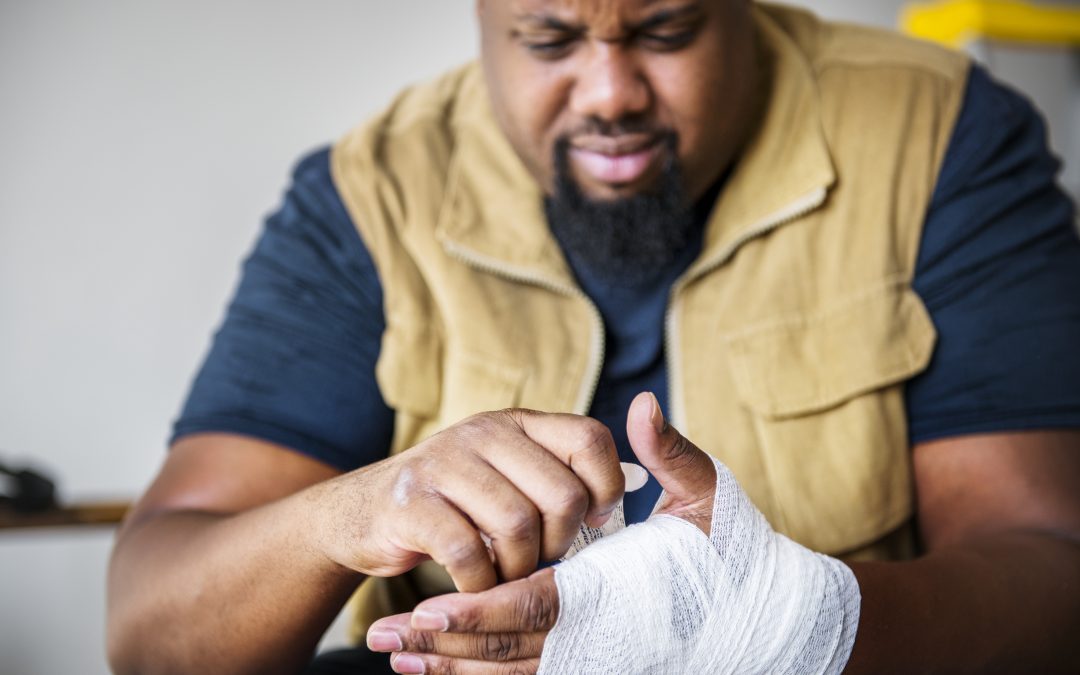
Splinters are tiny fragments—often wood, glass, or metal—that get lodged under the skin. While they may look harmless, leaving them untreated can lead to pain, inflammation, or even infection. It’s essential to remove a splinter as soon as possible, even if you don’t have tweezers available.
In Chicago, people often get splinters while performing daily tasks—such as walking barefoot on wooden decks, working in construction, or gardening. Knowing alternative ways to remove them safely helps you treat the injury at home and avoid unnecessary complications.
Remove a Splinter Without Tweezers
If you don’t have tweezers on hand, there are still several safe and effective ways to remove a splinter at home. The goal is to draw the splinter closer to the surface naturally without breaking the skin or introducing bacteria. One of the easiest methods is to soak the affected area in warm, soapy water for about 10 minutes.
This softens the skin, making it easier for the splinter to loosen and come to the surface on its own. For more stubborn splinters, try using adhesive tape or non-toxic glue. Gently press a small piece of tape or a layer of glue over the spot, let it dry, and then pull it off in the same direction the splinter entered.
This works best for shallow splinters and prevents unnecessary digging that can cause infection. Here is the Ultimate Guide to Pain Relief and Injury Recovery at Naperville’s urgent care clinics.
1. Use Tape or Glue
If the splinter is sticking out slightly, press a piece of adhesive tape or a layer of non-toxic glue (like school glue) on the area. Let it dry, then pull it off in the direction the splinter entered. This simple method is most effective for shallow splinters.
2. Baking Soda Paste
Mix baking soda with a small amount of water to create a thick paste. Apply it to the affected area and cover it with a clean bandage. After several hours, the paste will make the skin swell slightly, pushing the splinter closer to the surface for easy removal.
3. Warm Soak
Soak the affected area in warm water and salt for about 10–15 minutes. It softens the skin and can help naturally dislodge the splinter. Repeat twice daily until it becomes visible enough to remove. Detailed medical care is available at How to Get Rid of a Stuffy Nose Instantly?
Home Remedies to Ease Pain and Swelling
After removing a splinter, mild pain and swelling are common. Thankfully, a few natural remedies can help calm irritation and prevent infection. Applying aloe vera gel or honey can reduce redness and speed up healing due to their natural antibacterial properties.
Both options keep the skin moisturized and reduce inflammation. You can also make a warm compress with Epsom salt by soaking the affected area for 10–15 minutes. It helps draw out any remaining debris and improves circulation, which encourages faster healing.
Over-the-counter pain relievers can also be used if discomfort persists, but keeping the area clean and dry remains the most critical step. Expert physicians at Naperville’s urgent care centers guide you. How Can You Assess the Severity of a Deep Puncture Wound?
Honey or Aloe Vera
Both honey and aloe vera are natural anti-inflammatory agents. Apply a small amount to the area after cleaning to reduce swelling and discomfort.
Epsom Salt Compress
An Epsom salt soak can help draw out foreign particles and soothe the skin. Mix Epsom salt with warm water and soak for 10–15 minutes.
Hydrogen Peroxide
Pouring a small amount of hydrogen peroxide on the area helps clean the wound and may loosen the splinter. Also read further medications at How to treat a bite wound?
Seek Medical Attention in Chicago
If your splinter becomes red, swollen, or painful, or if you notice pus forming, it may be infected. In such cases, visit a Chicago immediate care clinic to prevent further complications. Doctors can safely remove the splinter using sterile tools and provide proper wound care. You should also see a doctor if:
- The splinter is deep or under the nail
- The area becomes warm or tender
- You haven’t had a tetanus shot in the last 10 years
- You notice spreading redness or streaks from the wound
Common Mistakes to Avoid When Removing Splinters
When trying to remove a splinter at home, it’s easy to make mistakes that can make the injury worse. One standard error is digging into the skin with needles, knives, or other sharp tools.
This increases the risk of infection and may cause the splinter to become more deeply embedded. Another mistake is squeezing or pinching the wound, which can cause tissue damage and drive bacteria deeper into the skin. Visit Puncture Wound Healing Stages in Naperville for more medical guidance.
People also tend to apply ointments or bandages before cleaning the wound, which can trap bacteria inside the wound. Always wash your hands and clean the area with soap or antiseptic before using anything.
Finally, never ignore ongoing pain, redness, or swelling, as these can signal an infection that needs medical attention. Avoid these common errors to prevent disease or Scarring:
- Don’t dig into the skin with sharp objects.
- Avoid using dirty needles or unclean tools.
- Don’t apply heavy creams or ointments before cleaning.
- Never squeeze the area too hard, as it can push the splinter deeper.
When to Stop Home Treatment and Visit a Doctor?
If home remedies don’t work or the pain worsens, it’s essential to seek professional help. Signs that you should seek medical attention for a splinter include persistent swelling, warmth, or increasing redness around the site.
If pus or fluid starts to appear, it’s a strong indication that an infection has begun. 1st choice Immediate Care Clinic provides the best Puncture Wounds Treatment in Chicago & Naperville.
Another sign is when the splinter is too deep, under the nail, or covered by skin. Trying to dig it out yourself can cause more harm than good.

Persistent Pain or Swelling
If the pain increases or swelling worsens after 24 hours, it may indicate that the splinter is embedded too deeply or that an infection has begun.
Redness and Pus Formation
The presence of pus, warmth, or spreading redness signals bacterial infection. At this point, it’s best to visit a clinic for antibiotics and professional removal.
Deep or Hidden Splinters
If the splinter is embedded under your nail or skin and has grown over it, stop trying to remove it at home. Doctors use sterile equipment and imaging to remove it safely.
How do Chicago Clinics Handle?
Even when home remedies fail, Chicago urgent care clinics can safely and effectively remove splinters. Doctors may use magnification and sterile instruments to locate and extract the splinter. If it’s deep, a minor incision under local anesthesia may be required.
After removal, the wound is cleaned with an antiseptic, and you might receive antibiotics or a tetanus booster shot if necessary. Clinic care helps prevent infections, speed up healing, and minimize Scarring.
Preventing Splinters in Everyday Life
Prevention starts with small, consistent habits. Always wear shoes on rough surfaces and gloves when handling wood or metal to prevent injury. Regularly inspect outdoor decks and furniture for splinter-prone surfaces.
Keep your skin clean and moisturized, as dry or cracked skin is more likely to catch splinters. If you get one, act quickly — clean the wound, remove it gently, and monitor for signs of infection.
Step 1: Diagnostic Assessment
Doctors examine the wound and, if needed, use ultrasound or X-rays to locate deep or hidden splinters.
Step 2: Sterile Removal Procedure
Clinicians use disinfected tools under sterile conditions. If the splinter is deeply embedded, a minor incision under local anesthesia allows for safe extraction.
Step 3: Post-Removal Treatment
After removal, the wound is thoroughly cleaned, and antiseptics or antibiotics may be applied as needed. Patients may also receive a tetanus booster for added protection.
Step 4: Aftercare Instructions
Doctors advise patients on proper cleaning, dressing changes, and signs of infection to watch for during recovery. This professional care ensures the wound heals quickly without Scarring or recurrence.
Immediate Care Clinics Prevent Infection
Chicago immediate care clinics provide expert treatment to remove splinters and prevent complications. Doctors start with a thorough examination and may use X-rays or ultrasound imaging to locate hidden fragments beneath the skin. It ensures the splinter is obliterated without damaging surrounding tissue.
Once removed, the wound is cleaned with sterile antiseptics to eliminate bacteria. If there’s any sign of infection, the doctor may prescribe antibiotics or administer a tetanus shot for added protection.
You’ll also receive guidance on how to clean and care for the wound at home. By seeking prompt medical care in Chicago, you can prevent long-term pain, Scarring, and infection.
Helpful Information:
- Cuts and wound care
- Injuries from scrapes
- How urgent is medical attention for different types of puncture wounds?
For More Details:
For expert medical guidance, visit the Mayo Clinic’s First Aid for Splinters page to learn more about safe removal and wound care.
FAQs
How can I remove a deep splinter naturally?
Use a baking soda paste or Epsom salt soak to bring the splinter closer to the surface.
Is it safe to use glue on a splinter?
Yes, non-toxic school glue works well for shallow splinters.
Can a splinter come out on its own?
Sometimes, but it’s safer to remove it early to prevent infection.
What if my splinter is under a nail?
Avoid forcing it out—visit a clinic for professional help.
How do I know if a splinter is infected?
Signs include redness, warmth, swelling, and the presence of pus.
Should I apply alcohol after removing it?
Yes, disinfect the area with alcohol or an antiseptic to kill bacteria.
What if a child gets a splinter?
Use gentle methods, such as warm soaks; seek medical help if the pain is severe or persistent.
How soon should I see a doctor?
If pain, swelling, or redness persists for more than 24 hours, visit a clinic.
Can I prevent splinters at home?
Yes, wear gloves, inspect surfaces, and keep tools smooth and clean.
How long does a splinter wound take to heal?
Most heal within a few days if appropriately cleaned.
