
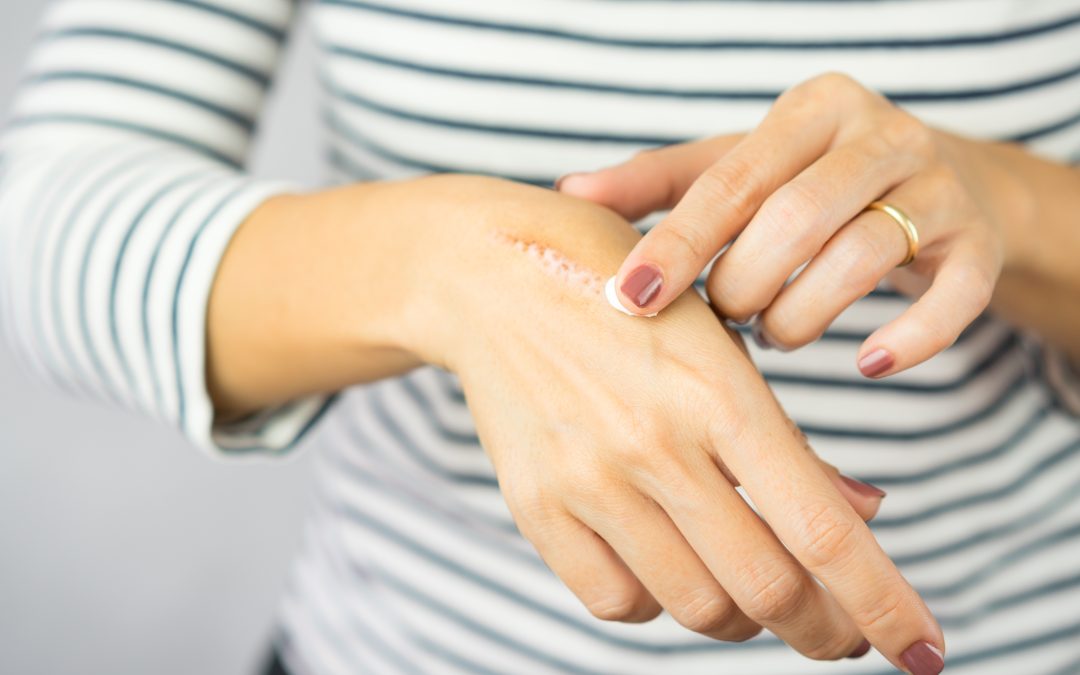
Caring for stitches properly after an injury or surgery is one of the most crucial steps in achieving a fast and clean healing process. In Naperville, patients often ask if they should apply Vaseline (petroleum jelly) to their stitches — and the answer is yes, but only when done correctly.
Using Vaseline keeps the wound moist, protects it from infection, and minimizes Scarring. Let’s explore why this simple product plays such a significant role in recovery and how you can use it safely.
Role of Vaseline in Wound Healing
Vaseline acts as a protective barrier, keeping moisture in and germs out. When applied to stitches, it helps the wound heal faster and prevents scabs from forming too soon.
This method, known as moist wound healing, has been recommended by doctors for decades because it reduces the risk of infection and makes scars less visible.
1. Preventing Dryness and Cracking
When stitches dry out, the skin around them can crack and pull, which slows down the recovery process. Vaseline locks in moisture, keeping the area flexible and comfortable. It also reduces itching as the skin heals.
2. Protecting Against Bacteria
A thin layer of Vaseline forms a barrier against dust, bacteria, and irritants. This barrier prevents infections that could otherwise develop around stitches. For more insight into avoiding infections, visit ‘How to Care for Wound Stitches’.
3. Reducing Scarring
By keeping the skin hydrated, Vaseline helps wounds heal with less Scarring. Dry wounds often leave darker or thicker scars, while moist wounds heal smoothly.
4. Supporting Comfortable Healing
Vaseline reduces friction caused by clothing or bandages. It’s beneficial if your stitches are in a location that moves frequently, such as a joint or finger.
Vaseline Helps Reduce Scarring
Many people worry about scars after getting stitches. Vaseline plays a vital role in minimizing scars by keeping the wound moist and preventing scabs from forming too early. When the skin stays hydrated, it allows new cells to grow evenly, which helps reduce discoloration and roughness around the healing area.
The gentle barrier Vaseline creates also protects the skin from external irritants such as dust, bacteria, and clothing friction. Over time, this protection helps the tissue repair itself naturally without leaving deep marks or raised scars.
Doctors in Naperville often recommend it as part of an aftercare routine for both cosmetic and medical reasons.
Key Benefits of Vaseline for Scar Prevention
- Locks in moisture and supports smooth skin regeneration.
- Reduces redness and itchiness around healing wounds.
- Prevents scab formation, which can lead to visible Scarring.
- Creates a clean environment that aids faster tissue repair.
Properly Apply Vaseline on Stitches
Before applying Vaseline, make sure your hands and the stitched area are clean. Gently wash the wound area with mild soap and water, then pat it dry with a soft towel.
Avoid rubbing or scrubbing the stitches. Next, use a cotton swab or clean finger to apply a thin, even layer of Vaseline directly over the stitches.
Don’t apply too much—just enough to cover the area with a light coat. You can then cover the wound with a sterile bandage if recommended by your doctor. Reapply 2–3 times a day or whenever the area feels dry or tight.
1. Wash Your Hands and Wound Area
Always begin by cleaning your hands and the stitched area with mild soap and water. Pat the area dry with a soft, clean towel. This prevents bacteria from getting trapped under the ointment.
2. Use a Sterile Cotton Swab or Gauze
Apply a thin layer of Vaseline using a cotton swab, sterile pad, or clean finger. Avoid rubbing too hard; a light coating is sufficient to protect the wound.
3. Cover with a Clean Bandage
After applying Vaseline, cover the area with a non-stick sterile bandage. Change it once or twice daily or anytime it gets dirty. Learn more about dressing care in What are the risks of wound stitches?
4. Avoid Overapplying
Too much Vaseline can block airflow and delay Healing. Use just enough to make the area slightly glossy, not greasy.
Doctors in Naperville Recommend Vaseline
Doctors in Naperville often recommend Vaseline for stitches because it keeps the wound moist, clean, and protected from bacteria. Applying a thin layer of Vaseline helps prevent scabs from forming too quickly, allowing the skin to heal more evenly and with less Scarring. This method also helps reduce itching and discomfort during recovery.
Unlike harsh ointments or alcohol-based products, Vaseline acts as a gentle barrier that shields the wound from dust, dirt, and irritation.
It’s beneficial for patients with sensitive skin who may experience adverse reactions to antibiotic creams. Keeping stitches moisturized also prevents the surrounding skin from pulling, which minimizes pain and supports faster Healing.
1. Safe for Sensitive Skin
Unlike some medicated ointments, Vaseline doesn’t contain antibiotics or fragrances that may irritate your skin. It’s hypoallergenic and suitable even for children.
2. Clinically Proven to Aid Healing
Research supports the use of petroleum jelly as a wound care treatment. It creates the ideal environment for tissue repair and reduces the chance of scab formation. You can read about similar healing techniques in “How to Relieve Pain from Wound Stitches?”
3. Helps Prevent Infection in Minor Injuries
Although Vaseline isn’t antibacterial, it shields the wound from bacteria-carrying debris. For more serious cases, your doctor may prescribe antibiotic creams.
4. Used in Post-Surgical Care
Surgeons and wound care clinics in Naperville often instruct patients to apply petroleum jelly, such as Vaseline, to incision lines to keep stitches soft and pliable during the healing process.
Tips for Safe Stitches Care at Home
Taking care of stitches at home is simple but requires attention and consistency. Proper hygiene and daily wound inspection help you avoid infections and complications. Always follow your doctor’s advice and resist the urge to remove bandages too early.
Here are some essential home care tips for managing stitches safely:
- Wash your hands before touching or cleaning the stitched area.
- Clean gently using mild soap and water—avoid alcohol or hydrogen peroxide unless advised.
- Apply a thin layer of Vaseline after cleaning to lock in moisture and reduce friction.
- Change bandages regularly to keep the wound dry and clean.
- Avoid direct sunlight on healing skin to prevent dark marks or discoloration.
- Watch for warning signs, such as swelling, pain, or pus; seek medical help if they appear.
Common Mistakes to Avoid
Many people make the mistake of applying too much Vaseline, which can trap excess moisture and slow Healing. A thin layer is enough to protect the wound without suffocating the skin. Another standard error is touching the stitches with unclean hands, increasing the risk of infection.
Avoid using perfumed or medicated petroleum jellies, as they can irritate sensitive skin and disrupt Healing. Never remove scabs or poke the stitches, even if you feel itching—this can cause bleeding or infection. If you notice redness, swelling, or discharge, consult your doctor immediately.
1. Skipping Cleaning Before Application
Never apply Vaseline to dirty or unwashed stitches. Dirt and sweat can become trapped, leading to infection. Clean first, then apply.
2. Using Contaminated Tools or Hands
Always use clean cotton swabs or sanitized fingers to prevent the introduction of germs. Reusing old bandages or touching stitches too often can delay Healing.
3. Overusing the Product
Thick layers of Vaseline can impede oxygen flow and may lead to excessive skin softening. Apply just a thin coating.
4. Ignoring Signs of Infection
If you notice redness, pus, or throbbing pain, discontinue use of Vaseline and seek medical attention. Learn about infection signs in Signs of infection after stepping on a nail.
When to Visit a Naperville Clinic?
While most minor wounds heal well with home care, some require professional medical attention. Visit a Naperville walk-in clinic if your stitches become red, swollen, or painful, or if you notice pus, bleeding, or warmth around the wound. These are early signs of infection that need prompt care.
You should also see a doctor if your stitches accidentally open or tear, or if you develop a fever or severe pain. Clinics in Naperville offer same-day evaluations and can properly clean and re-dress the wound, preventing complications and promoting faster recovery.
1. Stitches That Reopen or Bleed
If your wound reopens or bleeds through the bandage, contact a clinic immediately. Providers at Naperville Immediate Care can assess and reclose the wound if necessary.
2. Signs of Infection
Warmth, redness, or swelling may mean bacteria have entered the wound. Doctors can safely clean the area and prescribe antibiotics if needed.
3. Allergic Reaction or Skin Irritation
Although rare, some people experience irritation from petroleum jelly. If itching or rash occurs, stop using it and consult your doctor.
4. Follow-Up Stitch Removal
Most stitches are removed after 7–14 days, depending on the type of wound and the individual’s healing process. Clinics in Naperville can handle removal safely and check healing progress.
Benefits of Moist Wound Healing
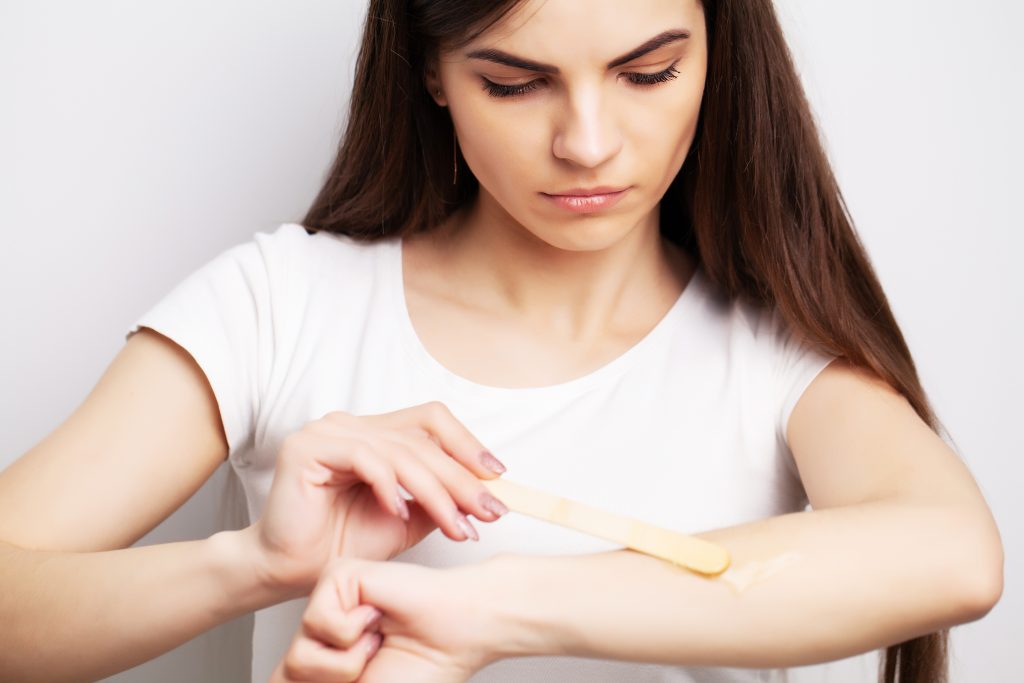
Keeping a wound moist with petroleum jelly, such as Vaseline, helps the body heal more efficiently. Moist wound healing creates a protective layer that allows new skin cells to form smoothly, reducing Scarring and discomfort.
This method also minimizes the chance of the wound drying out or cracking. Studies show that moist environments promote up to 50% faster Healing compared to letting wounds dry naturally. Using Vaseline regularly supports hydration, reduces itchiness, and helps keep bacteria out—leading to better-looking and stronger, healthier skin.
1. Faster Healing
Moisture helps new skin cells form more efficiently, shortening recovery time.
2. Less Scarring
Keeping the wound hydrated helps prevent scabs, which can often lead to noticeable scars.
3. Reduced Pain and Itching
Dry wounds pull and crack, causing discomfort. Vaseline soothes irritation and keeps the skin calm.
4. Natural Skin Regeneration
Petroleum jelly allows oxygen exchange while sealing in moisture, supporting smooth new skin growth. For a deeper look at wound healing, visit What are the essential steps for effective sprain recovery?
Related Information:
- How do wound stitches dissolve?
- Can wound stitches cause itching?
- How to relieve pain from wound stitches?
Further Detail:
For expert medical advice on wound and stitch care, visit Mayo Clinic – First Aid for Wounds.
FAQs
1. Why should I put Vaseline on stitches?
It keeps the wound moist, reduces scabbing, and helps skin heal faster with less Scarring.
2. Can I use antibiotic ointment instead?
Unless prescribed, plain Vaseline works just as well and avoids possible allergic reactions.
3. How often should I apply Vaseline?
Usually 2–3 times per day, or whenever the area looks dry.
4. Should I cover the stitches after applying Vaseline?
Yes. Use a sterile, non-stick bandage to prevent bacteria from entering the wound.
5. Can Vaseline cause infection?
Not when used correctly. Always apply it to clean, dry skin.
6. What if my stitches get itchy?
Mild itching is normal, but Vaseline helps reduce it. If it worsens, contact your doctor.
7. How long should I keep using Vaseline?
Continue until your stitches are removed and the wound fully closes.
8. Is Vaseline safe for children’s stitches?
Yes, it’s gentle and safe for most ages — ideal for minor injuries in children.
9. What are the signs my wound isn’t healing properly?
Redness, swelling, pus, or fever mean you should visit urgent care.
10. Where can I get help in Naperville?
Visit Naperville Immediate Care for professional wound cleaning and follow-up.
