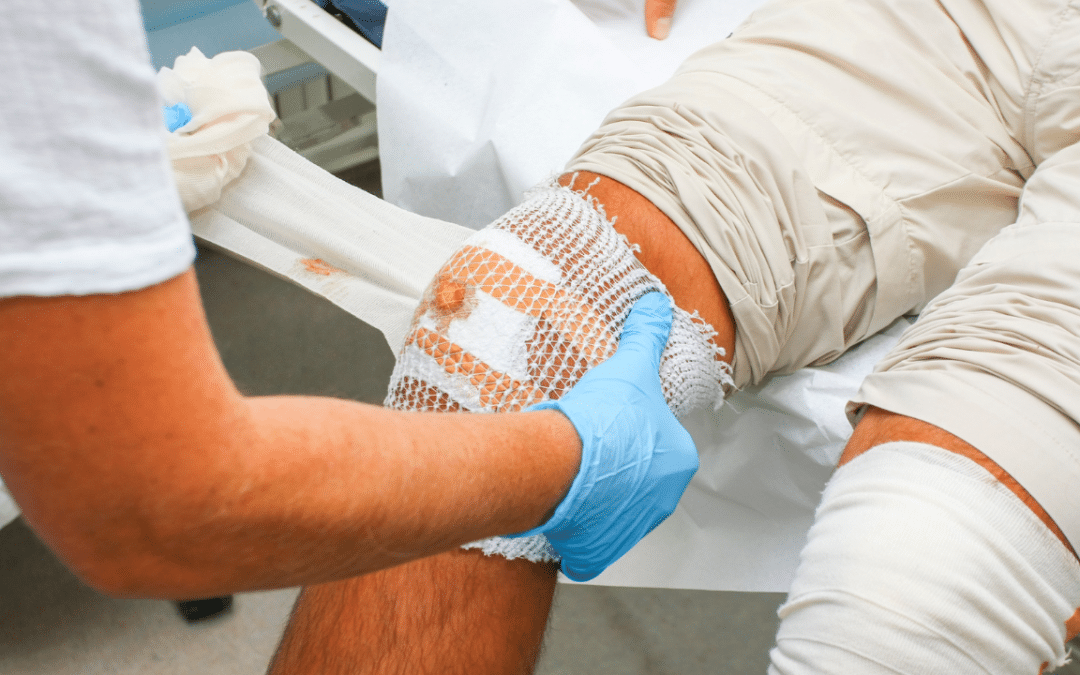
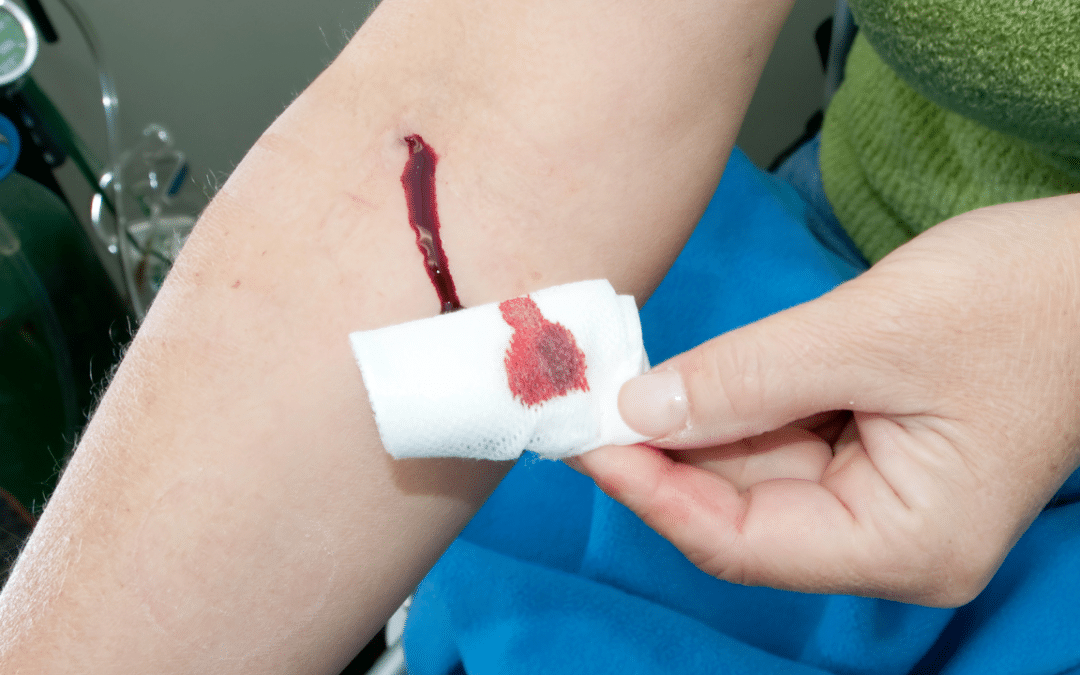
You can tell if a scrape has become infected if you notice increased redness, swelling, warmth, or pus around the wound, accompanied by increased pain. If the area feels warm to the touch, these are signs that your body is battling an infection. Managing it involves...
To assess the severity of a deep puncture wound, start with a visual inspection to identify exposed tissue layers or structures. Next, use palpation to detect tissue density changes, indicating depth and possible internal damage. Consider the injury mechanism for...
Yes, you can tailor your exercise to prevent GERD symptoms from flaring up. It’s crucial to wait at least two hours after eating before engaging in any physical activity to minimize reflux risks. Choose low-impact exercises like walking, swimming, or cycling,...
Most people aren’t aware that the type of suture material used can significantly impact how wound stitches dissolve in your body. As you sit there, contemplating the healing process, it’s crucial to understand that your body’s natural enzymes play a...
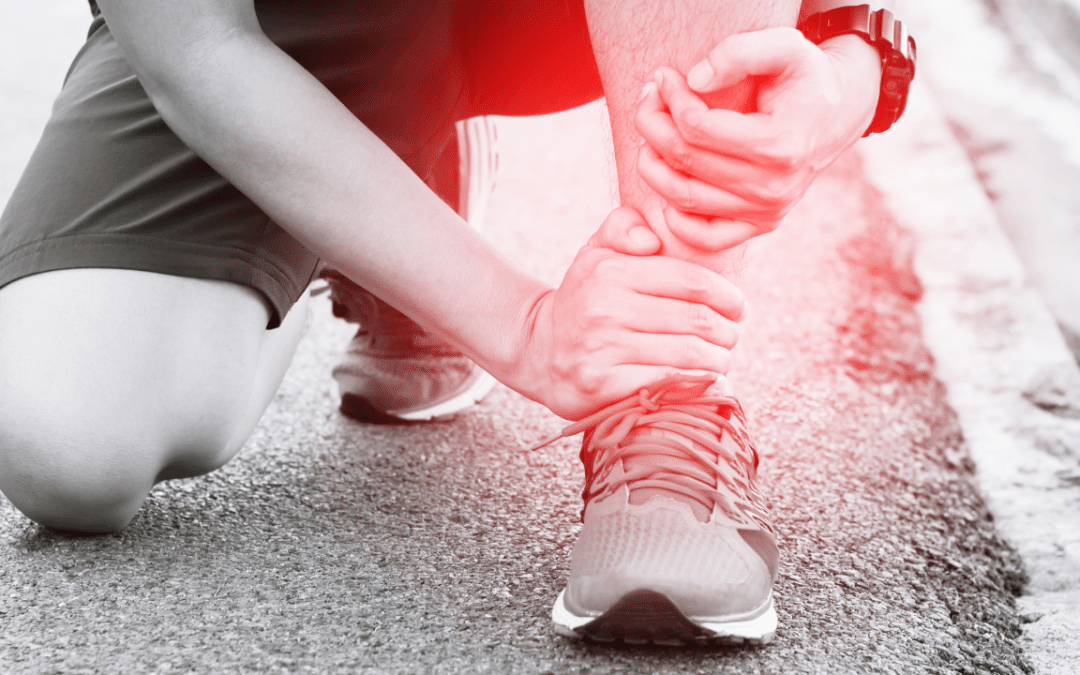
For mild to moderate sprains, your body’s natural recovery can be highly effective, provided you adhere to proper self-care. Initial steps involve the RICE method: Rest, Ice, Compression, and Elevation, important for reducing swelling and strain on the injured...
Recognizing tetanus risks can save your life after a puncture wound. Tetanus, caused by Clostridium tetani, turns serious without prompt action. Puncture wounds offer the anaerobic conditions this bacteria needs. Symptoms like lockjaw and muscle stiffness signal...
Yes, adjusting your diet can significantly alleviate GERD symptoms. By avoiding foods that trigger reflux, such as coffee and citrus, and opting for smaller, more frequent meals, you reduce the pressure on your stomach. Incorporating alkaline foods like vegetables and...
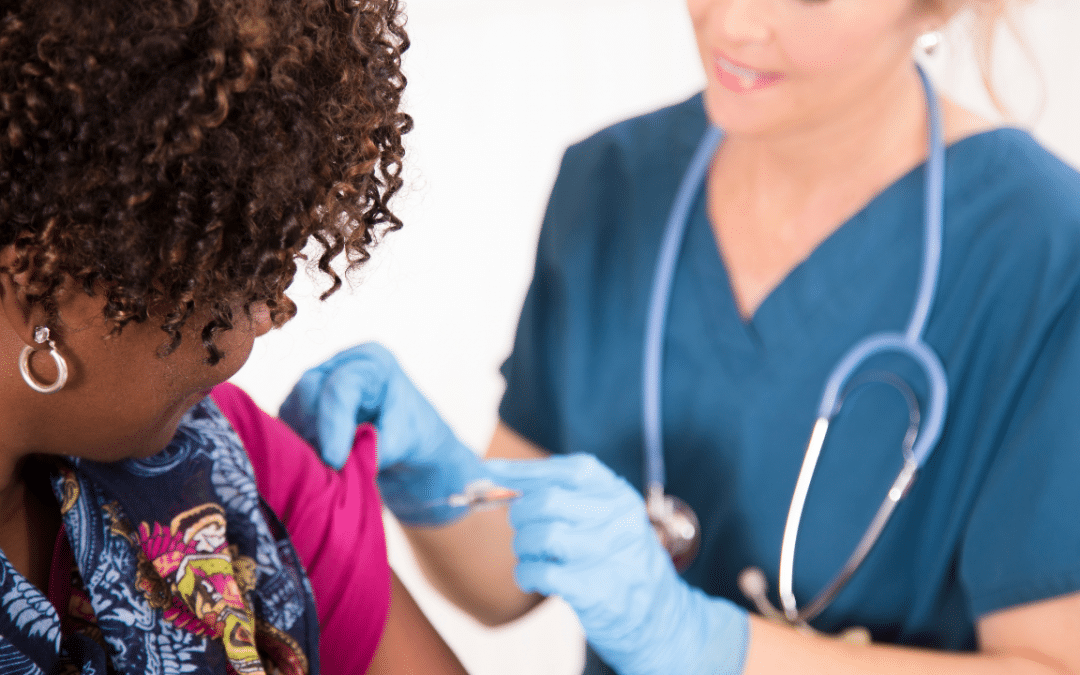
You’re most protected when key groups, including the elderly, children, healthcare workers, pregnant women, and those with chronic illnesses, get their flu vaccinations. If you fall into any of these categories, you’re either at a higher risk of severe flu...
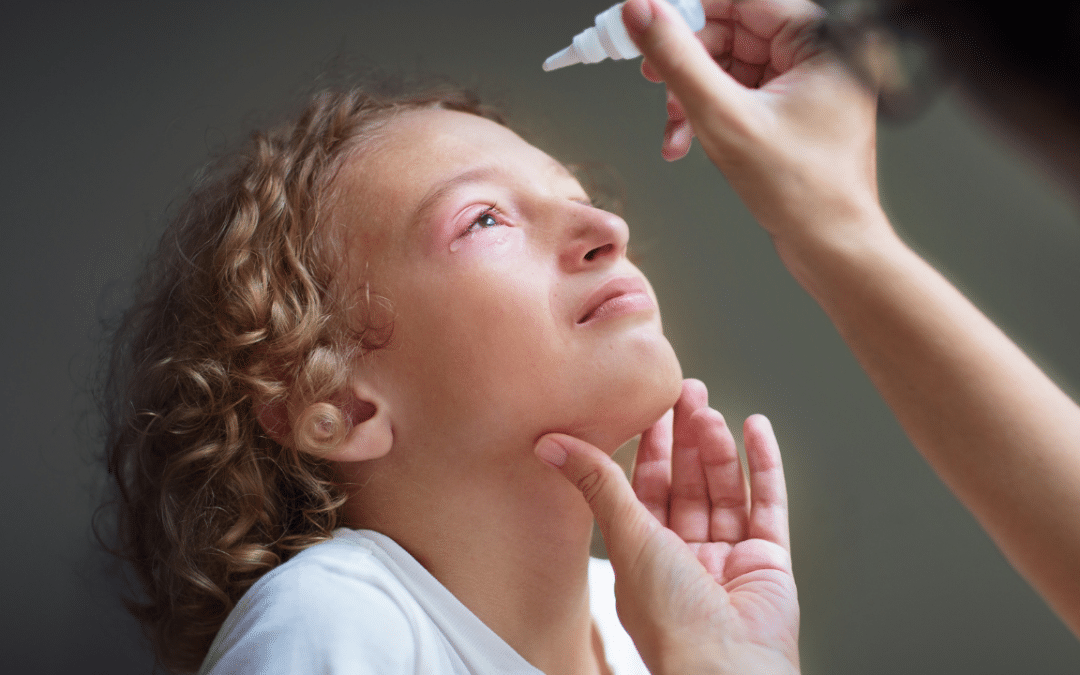
Yes, effective hygiene habits can significantly reduce the risk of pink eye transmission. By washing your hands regularly, especially after touching contaminated surfaces or interacting with infected individuals, you’ll prevent transferring infectious agents to...
Yes, you can reduce your blood pressure without medication by making smart dietary choices, including consuming dark chocolate. Opt for dark chocolate that contains at least 70% cocoa; it’s rich in flavonoids that enhance nitric oxide production, helping lower...