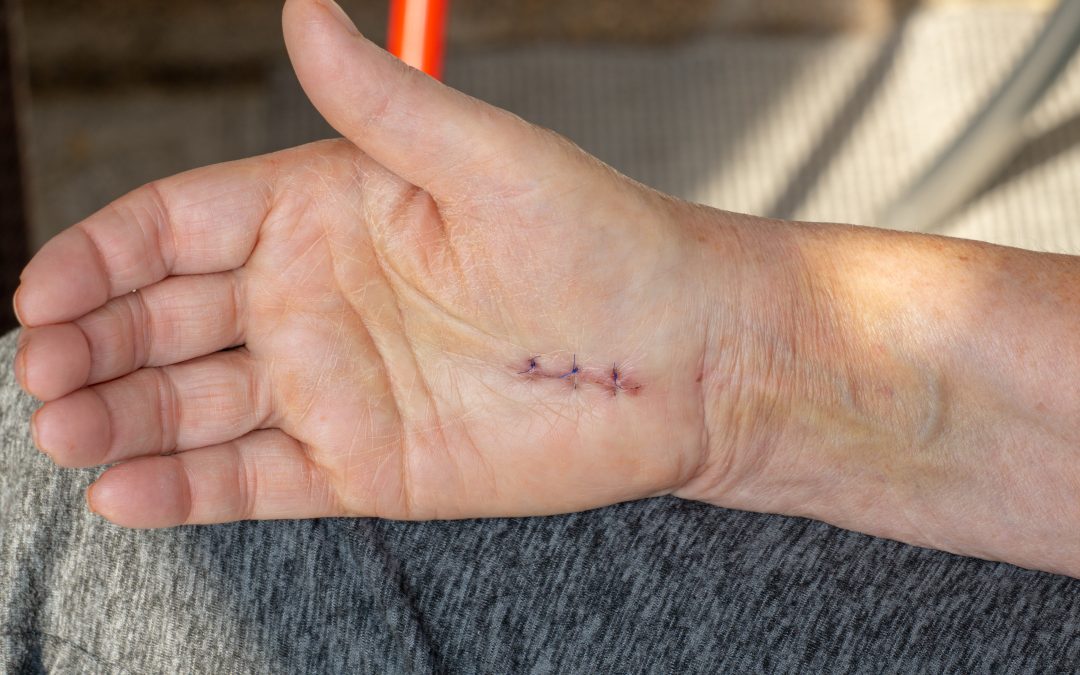
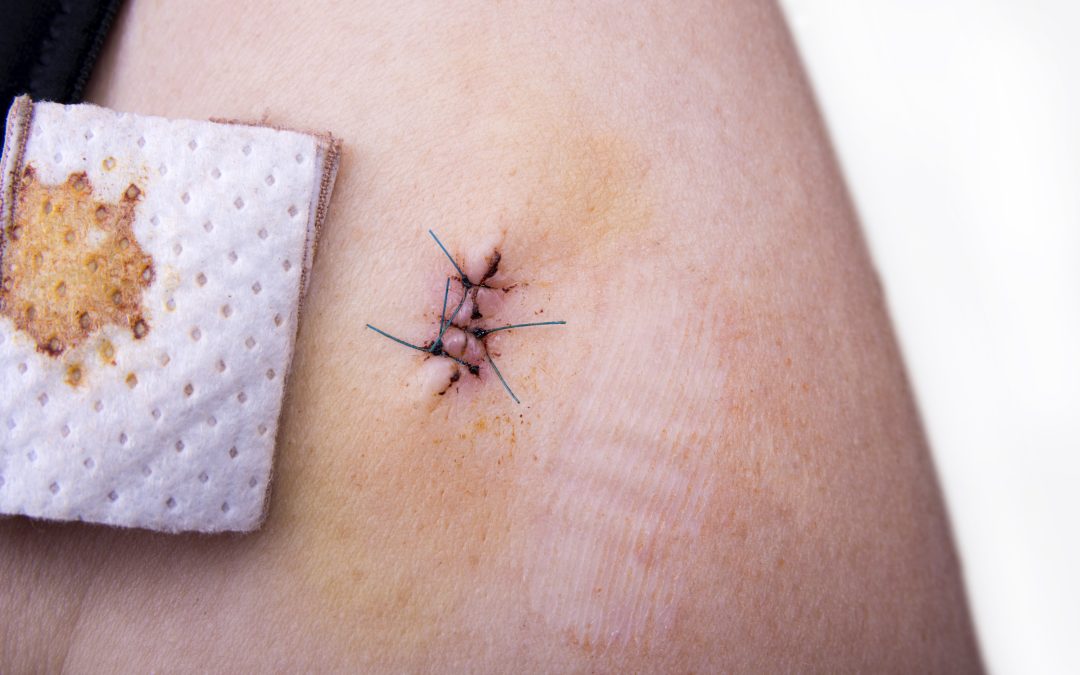
Experiencing throbbing pain after stitches is common, especially within the first few days of healing. This sensation typically occurs because your body is sending extra blood to the wound area to aid in tissue repair. The mild pulsing feeling often decreases as the...
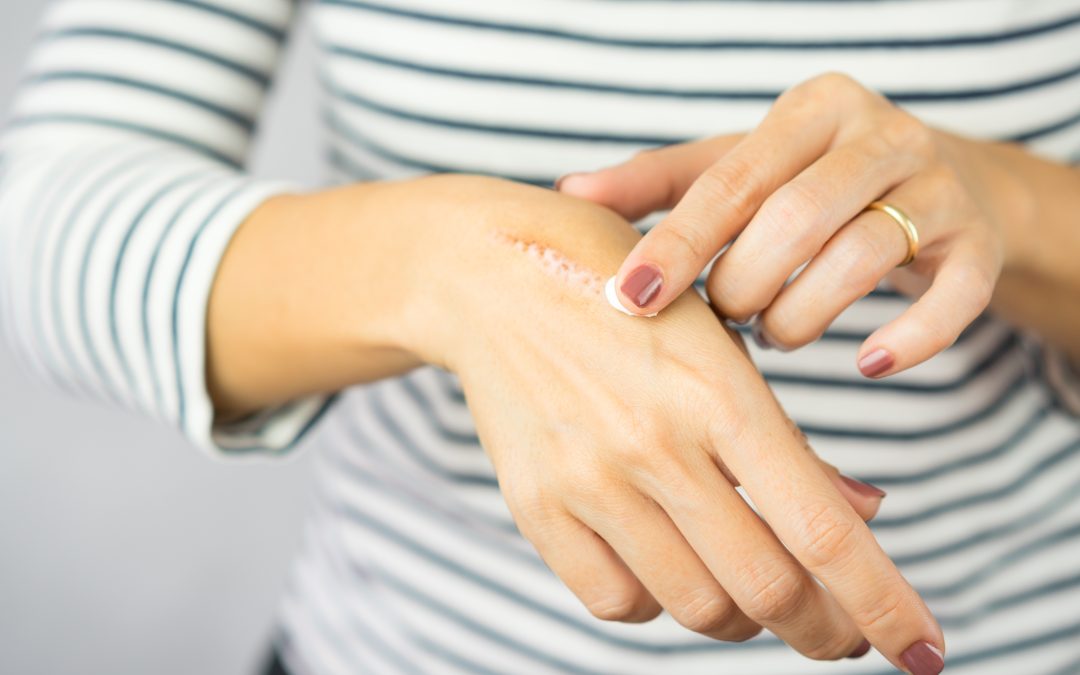
Caring for stitches properly after an injury or surgery is one of the most crucial steps in achieving a fast and clean healing process. In Naperville, patients often ask if they should apply Vaseline (petroleum jelly) to their stitches — and the answer is yes, but...
After surgery, your body focuses on repairing tissues and closing wounds. Stitches (or sutures) hold the skin together while new cells form beneath the surface. Proper care speeds healing, reduces pain, and prevents infections. Many patients in Naperville notice that...
Stitches, also known as sutures, are essential for closing wounds and promoting proper wound healing. If you’ve had stitches placed at a Chicago clinic or hospital, you might be wondering: When are stitches ready to come out? The short answer is, it depends on the...
In Chicago, urgent care clinics and hospitals commonly use non-dissolvable stitches, also known as non-absorbable sutures, to close deeper wounds, surgical cuts, or injuries that require long-term support. These stitches are manually removed once healing is complete...
Did you know that while wound stitches are a common medical procedure, complications can arise in up to 10% of cases? You might think of stitches as a simple fix for cuts and lacerations, but the reality is that they come with their own set of risks. These can range...