
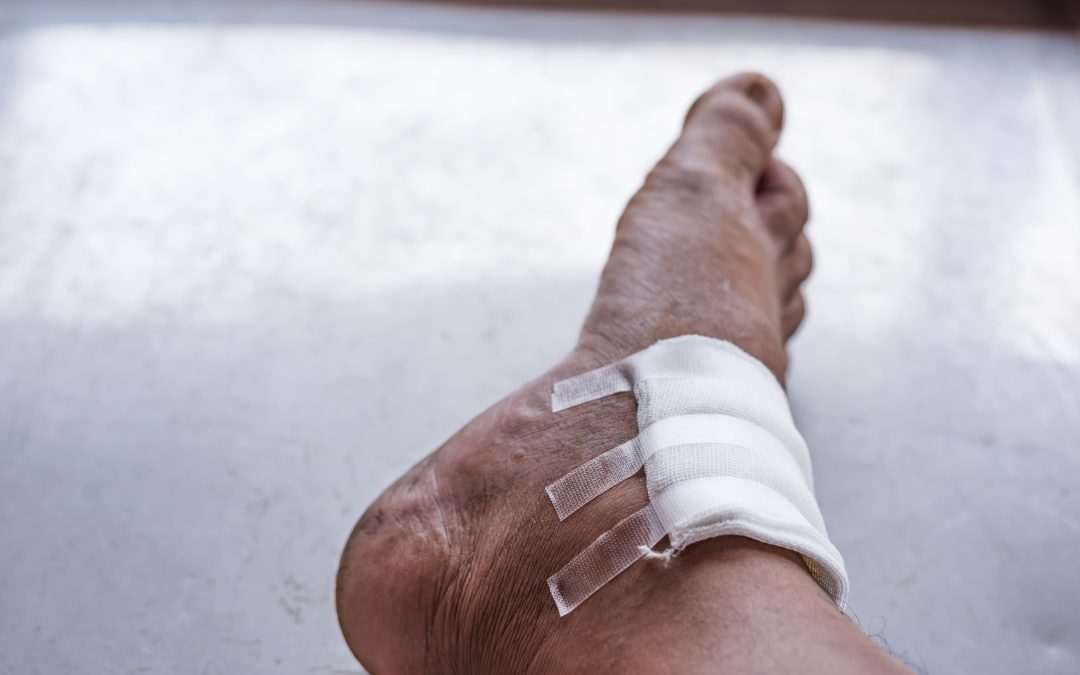
Stepping on glass can cause a painful injury, and if not treated properly, it may lead to a foot infection. Even a tiny piece of glass stuck in the foot can irritate the skin and allow bacteria to enter.
For Naperville residents, understanding infection symptoms and knowing when to seek medical care is crucial. This article explains the signs of infection, first aid steps, and how Naperville immediate care clinics can help you recover safely.
Glass Injuries in the Foot Are Risky
When glass punctures the skin, it creates an opening that allows germs to enter. Even small fragments that remain under the skin can cause ongoing pain and inflammation.
Unlike scrapes or surface cuts, puncture wounds heal slowly, trapping bacteria and increasing the risk of infection. Expert physicians at Naperville’s urgent care clinics guide you on how to care for Wound Stitches.
People often underestimate the severity of glass wounds, but untreated wounds can lead to serious infections, such as cellulitis. That’s why it is essential to clean the wound immediately and closely monitor for warning signs.
Redness and Swelling
One of the first signs of infection is persistent redness and swelling around the injury site. The area may feel warm to the touch and become increasingly painful.
How to Tell If Glass Is Still Stuck in Your Foot?
Sometimes, even after cleaning a wound, tiny glass fragments may remain under the skin. These fragments can cause persistent pain, swelling, or a sharp sensation when pressure is applied to the foot.
If you feel discomfort while walking or notice that the wound isn’t healing correctly, there’s a chance glass is still embedded.
Medical professionals in Naperville clinics can use imaging tests, such as X-rays, to detect hidden glass fragments. Leaving these fragments untreated can lead to infection, Scarring, or long-term pain. Seeking timely care ensures the wound is thoroughly cleaned and heals correctly.
- Ongoing pain when walking or standing
- Redness or swelling that won’t go away
- A gray or shiny spot under the skin
- Delayed healing despite home care
Common Infection Symptoms
When glass punctures the skin, the wound can quickly become infected. One of the first warning signs is redness and swelling around the injury. The area may also feel warm and tender to the touch, with pain that worsens over time instead of improving. Some people may notice pus or discharge, which signals the body is fighting bacteria.
In more severe cases, symptoms can spread beyond the foot. You may experience fever, chills, or fatigue as the infection spreads systemically. If you see red streaks moving up the leg, this could indicate that the infection has entered the bloodstream, requiring urgent medical attention. Recognizing these symptoms early is critical to preventing complications.
Pus or Discharge
If bacteria are multiplying, the wound may produce yellow or green pus. This is a clear sign that the body is fighting an infection.
Fever and Fatigue
In some cases, infections can spread beyond the wound, causing symptoms such as fever, fatigue, or chills. This requires immediate medical attention.
Spreading Red Streaks
Red streaks moving up the foot or leg indicate that the infection may be spreading into the bloodstream. This is a medical emergency. If you want to know more, you can visit Signs of Infection After Stepping on a Nail for more information about immediate treatment.
First Aid Mistakes to Avoid
While it may be tempting to handle a wound at home, some common mistakes can make the injury worse. Using unsterilized tools to dig out glass can push fragments deeper and increase the risk of infection. Similarly, applying creams or ointments too early may trap bacteria inside the wound, preventing proper healing.
Instead, focus on basic wound cleaning and protecting the area until you can see a medical professional. Learn more about how to treat a Bite Wound. Knowing what not to do is just as important as knowing proper first aid steps.
- Do not use dirty tweezers or sharp objects to dig into the wound
- Avoid soaking the foot in dirty water, which may spread bacteria
- Don’t ignore pain, swelling, or pus—these are warning signs
- Never assume a wound is safe just because it looks small
First Aid for Glass Wounds
Before visiting a clinic, you can take steps at home to minimize the risk of infection.
- Wash your hands before touching the wound.
- Rinse the foot under clean running water to remove dirt.
- If the glass piece is visible and shallow, carefully remove it with sterilized tweezers.
- Apply an antiseptic and cover with a sterile bandage.
If the wound continues to bleed or the glass is deeply embedded, avoid digging into the skin. Instead, seek professional care in Naperville right away. In Naperville, urgent care centers are really very helpful in these types of treatments. You can learn more about therapy and medication. What are your options for accessing after-hours medical care?
When to Visit an Immediate Care Clinic?
Not all foot injuries from glass need emergency room visits, but you should go to a clinic if:
- The wound is deep or won’t stop bleeding.
- You feel pain when walking or when pressure is applied to the wound.
- Signs of infection, such as redness, swelling, or pus, appear.
- You are unsure about your tetanus vaccination status.
At a Naperville walk-in clinic, doctors can safely remove remaining fragments, disinfect the wound, and prescribe antibiotics if necessary. They can also provide a tetanus shot if your vaccine is not up to date. Visit Naperville Immediate Care Clinic for urgent treatment of injuries and wounds.
Possible Complications if Untreated
Ignoring a glass wound in your foot can lead to serious health problems. The most common complication is cellulitis, a bacterial infection that spreads rapidly through the skin and underlying tissues. Infected wounds can also form abscesses, which are painful pockets of pus that often require medical intervention to drain. Immediate Abscess Treatment in Chicago & Naperville can heal your wound and pain.
If the infection continues to spread, it may lead to sepsis, a life-threatening condition in which the infection enters the bloodstream. Even if a disease does not occur, leaving glass fragments inside the foot can cause chronic pain, Scarring, or long-term mobility issues.
Seeking prompt treatment at a Naperville clinic helps avoid these risks and supports faster healing.
- Cellulitis – a bacterial infection that spreads quickly under the skin.
- Abscesses – painful pockets of pus that require drainage.
- Sepsis – in rare cases, untreated infections can spread to the bloodstream.
- Chronic pain – if glass fragments remain, they may cause lasting pain and difficulty walking.
Prompt care prevents most of these issues and ensures faster recovery.

How Naperville Clinics Treat Glass Wounds Effectively?
Immediate care clinics in Naperville provide advanced treatment for glass-related injuries. Doctors first examine the wound to ensure that no fragments remain. They then thoroughly clean the area using sterile solutions to minimize the risk of infection. Visit How to Treat a Deep Cut on Hand to learn more medical guidance.
In some cases, minor surgical removal may be required for deeply embedded glass. Beyond removal, clinics also focus on preventing future complications. Depending on your condition, they may recommend antibiotics, a tetanus shot, or follow-up care to monitor healing. This comprehensive approach ensures both patient safety and peace of mind.
- Professional wound cleaning and disinfection
- Safe removal of trapped glass fragments
- Tetanus vaccination if needed
- Prescription antibiotics for infection control
- Guidance on at-home care and recovery
Helpful Information About Treatment:
- Puncture wound treatment
- Cuts and wound care
- How can recognizing the risks of tetanus save lives following a puncture wound?
- Puncture Wound Healing Stages in Naperville
Further Information:
For more details on puncture wound care, see the Mayo Clinic’s guide on puncture wounds.
FAQs
Can a small piece of glass cause infection?
Yes, even tiny fragments can trap bacteria and lead to infection.
How soon do infection symptoms appear?
Most infections show symptoms within 24–48 hours of the injury.
Will the wound heal on its own if the glass is left inside?
No, the wound may close over the fragment, increasing the risk of infection.
Do I always need antibiotics for a glass wound?
Not always. Minor wounds may heal with cleaning, but infected wounds often require antibiotics.
What if I can’t see the glass but feel pain?
The fragment may be embedded deeper. A clinic can confirm with an X-ray if needed.
Should I soak the foot in salt water?
Warm salt water can help clean minor wounds, but it is not a substitute for medical treatment if infection is present.
Can kids get infected more easily from glass injuries?
Children may scratch or touch their wounds more often, which raises the risk of infection. Proper care is essential.
Do I need a tetanus shot after stepping on glass?
Yes, if your vaccination is outdated. Doctors will check your immunization status.
Can urgent care in Naperville remove glass fragments from the body?
Yes, immediate care centers have the tools to remove debris safely.
How long does it take for a glass wound to heal?
Minor wounds typically heal within a week, while infected wounds require more time and proper treatment.
