
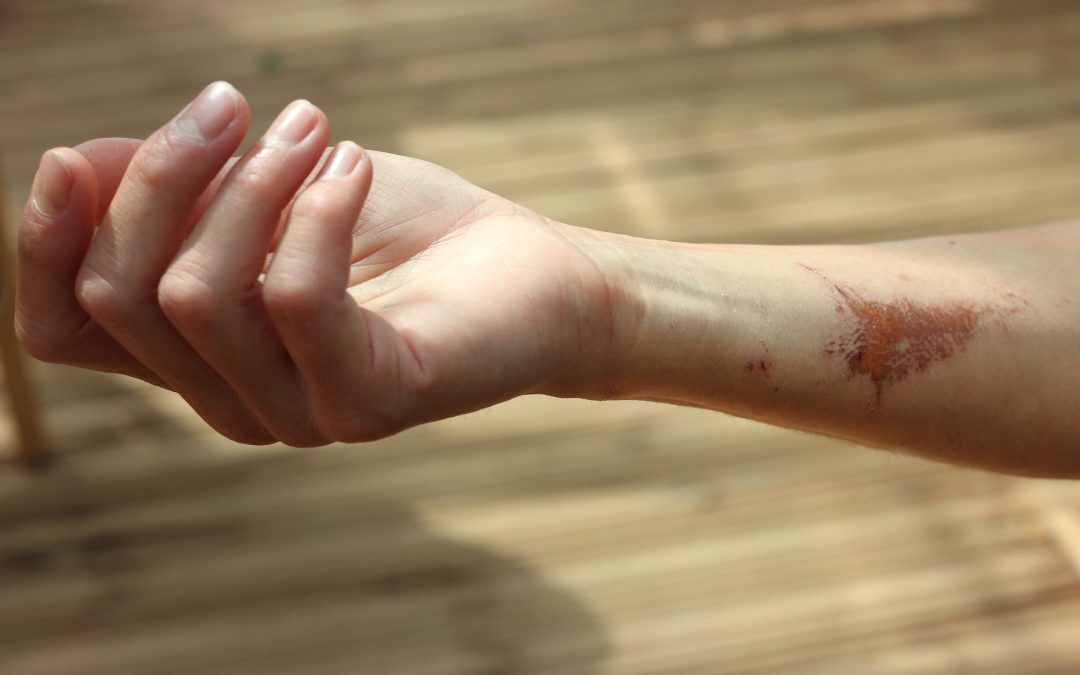
Living in Chicago means enjoying parks, outdoor walks, and gardening—but it also means dealing with the occasional prickle or thorn in your skin.
These tiny, sharp plant parts may appear harmless, but if not removed correctly, they can cause pain, swelling, or even infection. Knowing how to remove prickles from your skin safely helps you stay comfortable and avoid complications.
What Are Prickles and Why Do They Get Stuck in Skin?
A prickle is a small, sharp outgrowth from a plant stem or leaf—like the tiny barbs found on rose bushes, cacti, or shrubs. When they pierce your skin, they can break off and stay lodged beneath the surface. These fragments are often covered in tiny hooks or spikes, which makes them hard to pull out completely.
If left inside, they can cause irritation or infection. The risk increases if the area is not cleaned correctly. Learn more about similar injuries in How to care for wound stitches?
Here’s what you need to know:
- Prickles are small, sharp outgrowths found on plants like roses, cacti, and thistles.
- They often break off under the skin, leaving tiny fragments that cause irritation or inflammation.
- Because wood and plant materials are porous, they can carry bacteria or dirt that trigger infection.
- The body reacts by forming redness, swelling, or even pus if the fragment isn’t removed quickly.
- Prickles that remain in the skin too long may lead to minor infections similar to those caused by small puncture wounds.
Steps to Safely Remove Prickles at Home
Getting a prickle in your skin can be uncomfortable, but removing it safely at home is simple if you act calmly and follow the proper steps. The key is to avoid forcing the prickle out and instead focus on keeping the area clean and free from infection.
Start by washing your hands thoroughly with soap and warm water to prevent the introduction of bacteria. Then, rinse the affected area to remove any dirt or plant debris.
Using sterilized tweezers, grip the prickle as close to your skin as possible and pull it out gently in the same direction it entered.
It prevents the tip from breaking off and becoming embedded under the skin. If you can’t see the full prickle, avoid digging — that can worsen irritation and push bacteria deeper.
1. Clean the Affected Area
Start by washing your hands and the area with soap and warm water. It helps remove dirt, bacteria, and plant residue that could cause infection.
2. Use Sterilized Tweezers
Sterilize tweezers with rubbing alcohol. Gently grab the prickle as close to the skin as possible and pull it out in the same direction it entered. Avoid squeezing or pinching the area, as this might break the prickle deeper into the skin.
3. Apply Antiseptic and Bandage
Once the prickle is removed, apply antiseptic cream or ointment and cover the spot with a clean bandage. This keeps bacteria out while your skin heals.
If the prickle breaks or stays under the skin, don’t dig too deeply. Instead, visit an urgent care clinic. You can find help near you at the Chicago Archer Ave Walk-In Immediate Care Clinic.
Seek Medical Help
Sometimes, prickles are too small or embedded to be removed by yourself. If the skin around the area becomes red, warm, swollen, or starts oozing, it may already be infected. Medical providers at clinics like 1st Choice Med Chicago can safely extract the fragment using sterile tools and equipment.
They may also recommend an antibiotic ointment or a tetanus booster if the puncture was deep. For more insight into wound safety, read Signs of infection after stepping on a nail.
Watch for these signs:
- Increasing redness, swelling, or warmth around the area
- Persistent pain or tenderness that doesn’t improve after 48 hours
- Pus or yellow discharge, which can signal bacterial infection
- Red streaks extending from the wound (possible sign of spreading infection)
- Fever, fatigue, or chills, which may indicate the infection has reached deeper tissue
- Deep or embedded prickles that you can’t see or entirely remove
Common Mistakes to Avoid
Many people unintentionally exacerbate their prickle injuries by attempting to remove them too quickly or using improper methods.
These small mistakes can lead to infection, pain, or even Scarring. Knowing what not to do is just as important as knowing the proper removal steps.
1. Using Dirty Tools
Never use unclean needles, pins, or tweezers. This can introduce harmful bacteria and lead to infection.
2. Digging Too Deeply
Avoid cutting into your skin or poking around excessively. It can cause the wound to become larger and push the prick deeper.
3. Ignoring Redness or Pain
Even a small prick can turn serious if bacteria spread. If the area becomes painful or swollen after a day or two, seek medical care immediately.
Preventing Prickles While Exploring Chicago Outdoors
Enjoying Chicago’s outdoor beauty — from parks and trails to community gardens — is part of what makes living in the city so rewarding.
But these environments often expose you to plants with thorns, burrs, or prickles. Taking a few preventive steps can keep your adventures pain-free and infection-free.
- Wear gloves when gardening or trimming plants.
- Avoid touching thorny shrubs or bushes with bare skin.
- Check your clothes for plant debris after hikes or yard work.
If you do get a minor scratch or prick, clean it immediately to prevent infection. You can read more about minor wound care in What are the risks of wound stitches?
How Long Does It Take to Heal After a Prickle?
Healing time depends on how deep the prick went. Shallow ones may heal within a day or two, while deeper punctures can take up to a week.
Keeping the area clean, using antibiotic ointment, and changing bandages daily help speed recovery. If you experience prolonged pain, swelling, or discharge, visit your local urgent care center in Chicago.
They can examine the site to ensure that no fragments remain inside the skin.
Here’s what to expect:
- Minor surface prickles usually heal within 1–3 days if they are cleaned and treated promptly.
- Deeper prickles or those that caused inflammation may take up to a week or more to heal.
- Using an antibiotic ointment and keeping the wound covered speeds up recovery.
- Please avoid scratching or picking at the site, as it can reopen the wound.
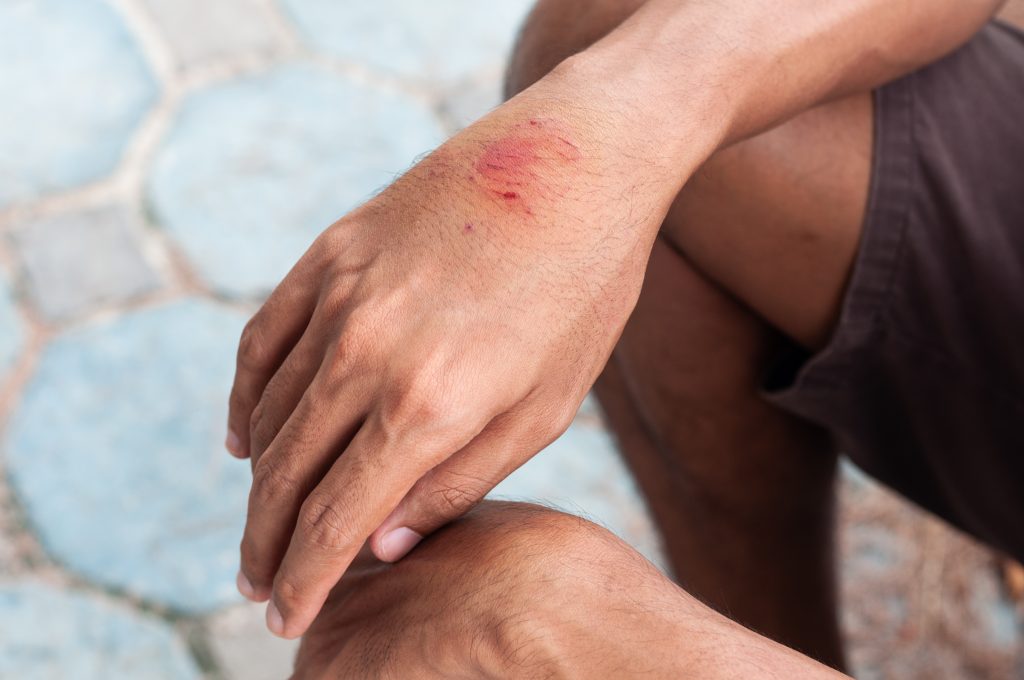
Possible Complications of Untreated Prickles
When left untreated, prickles can lead to bacterial infections, abscess formation, or even cellulitis. These infections can spread quickly, especially if the wound is on your hand or foot. If you have diabetes or a weakened immune system, your risk of infection is higher.
Prompt removal and professional cleaning are the best ways to prevent complications. Learn more about related issues in How can you effectively manage a puncture wound with severe bleeding?
Here are potential problems to watch for:
- Infection (Cellulitis): Skin becomes red, hot, and swollen as bacteria spread.
- Abscess Formation: Pus accumulates under the skin, forming a painful lump.
- Scarring: Deep punctures that take a long time to heal may leave marks or discoloration.
- Sepsis Risk: If an infection enters the bloodstream, it can cause symptoms such as fever, chills, or fatigue.
- Joint or Tendon Irritation: If the prickle is near a joint, it may cause stiffness or pain with movement.
- Worsened Infection in Diabetics: People with diabetes are more vulnerable to slow healing and bacterial growth.
Related Information:
- How to relieve pain from wound stitches?
- What are your options for accessing after-hours medical care?
- What makes same-day medical attention essential for managing health outcomes?
Further Details:
For trusted medical information on skin punctures and splinters, visit the Mayo Clinic: First Aid for Splinters.
FAQs
What’s the best way to remove small prickles from skin?
Use sterilized tweezers and pull the prickle in the same direction it entered.
What if the prickle breaks inside my skin?
Apply a warm compress to help it move closer to the surface, or visit urgent care for removal.
Can prickles cause infections?
Yes. If bacteria enter the skin, redness, swelling, or pus can develop.
Should I use a needle to remove a prickle?
Only if you sterilize it first and can see the fragment clearly, otherwise, visit a clinic.
How long does it take for the skin to heal?
Minor pricks heal in a few days, while deeper ones may take up to a week.
What are the signs of infection after a prick?
Pain, redness, swelling, pus, or fever indicate infection.
Can I prevent prickles while gardening?
Yes. Wear thick gloves and protective clothing while handling plants.
Is it safe to leave a tiny prickle if it doesn’t hurt?
No. Even painless splinters can cause infection if ignored.
Can children get infected from prickles?
Yes, especially if they scratch the area or don’t wash their hands.
Where can I get professional help in Chicago?
Visit the Chicago Archer Ave Walk-In Immediate Care Clinic. For safe, same-day treatment.
